
How Meals Affect Your Productivity
Discover the science behind nutrition and mental performance. Learn how strategic eating patterns can sharpen your focus, boost energy, and unlock your full potential throughout the day.
What You'll Discover
The direct link between meal timing, food composition, and your cognitive performance—backed by research and real-world experience
Five Meals That Boost Productivity
Strategic meal choices throughout your day can dramatically impact focus, energy levels, and mental clarity. Here are five meal patterns that research supports.
Protein-Rich Breakfast
Starting your day with eggs, Greek yogurt, or lean meat stabilizes blood sugar and promotes sustained mental energy. Protein stimulates neurotransmitter production, enhancing focus and decision-making ability throughout the morning.
Best eaten within 2 hours of waking for maximum effect.
Leafy Green Salad with Salmon
Omega-3 fatty acids from fish combined with antioxidant-rich vegetables support brain cell health and reduce mental fatigue. This combination is particularly effective as a midday meal to combat the 2pm energy slump.
Pairs well with whole grain bread or complex carbohydrates.
Whole Grain Bowl
Brown rice, quinoa, or oats provide slow-releasing carbohydrates that maintain stable glucose levels. This steady fuel source prevents energy crashes and keeps your concentration sharp during intensive work sessions.
Add vegetables and lean protein for complete nutritional balance.
Fruit and Nut Snack
Berries with almonds or walnuts offer quick-absorbing sugars plus sustained energy from healthy fats. This combination is ideal for mid-afternoon breaks, providing a cognitive boost without the crash associated with simple sugars.
Perfect for 3pm or when you feel mental fatigue setting in.
Green Tea with Dark Chocolate
L-theanine from green tea promotes calm focus, while dark chocolate's antioxidants enhance blood flow to the brain. Together, they create gentle sustained mental clarity without the jitters of excessive caffeine.
Effective 30 minutes before tasks requiring intense concentration.
Light Evening Meal
A balanced evening meal of lean protein and vegetables (avoiding heavy fats and sugars) supports restorative sleep quality. Better sleep enhances next-day productivity, focus, and cognitive performance significantly.
Eat 3 hours before bedtime for optimal sleep and recovery.
Understanding the Brain-Food Connection
Your brain consumes roughly 20% of your body's energy despite being only 2% of body weight. Every food choice directly impacts neurotransmitter production, glucose regulation, and blood flow to neural tissue.
When you eat processed foods high in refined sugars, your blood glucose spikes and crashes, causing the mental fog and fatigue you feel mid-morning or mid-afternoon. In contrast, meals with complex carbohydrates, healthy fats, and proteins maintain steady glucose levels and support consistent cognitive performance.
Research demonstrates that specific nutrients—magnesium, B vitamins, omega-3s, and antioxidants—are essential for dopamine and serotonin synthesis. These neurotransmitters directly regulate focus, motivation, mood, and decision-making ability.
Explore In-Depth Articles
Optimizing Your Eating Schedule
Morning: Protein & Complex Carbs
Eat within 90 minutes of waking. Include eggs or Greek yogurt with oatmeal or whole grain toast. This establishes stable glucose for morning focus and planning work.
Mid-Morning: Strategic Hydration
Drink water and consume a light snack—handful of nuts or fruit. Dehydration directly reduces cognitive function by 5-10%, even before you feel thirsty.
Lunch: Balanced & Substantial
Eat a full meal with lean protein, vegetables, and whole grains. Time it 4-5 hours after breakfast. This prevents the dangerous afternoon energy crash.
Afternoon & Evening: Light Choices
Have a nutritious snack around 3pm (berries and nuts). Keep dinner light, eaten 3 hours before bed. This supports restorative sleep and next-day mental clarity.
The Productivity Timing Rule
Plan your most demanding cognitive tasks for 1-2 hours after eating. This timing window gives your body adequate blood flow for digestion while maintaining peak mental energy. Avoid scheduling intense creative work immediately after lunch (during digestion) or after 3pm (when glucose naturally dips).
Why Foodmoodalchemy?
Evidence-Based Content
Every article and recommendation is grounded in peer-reviewed research and nutritional science. We cite studies and explain the mechanisms behind each claim transparently.
Practical Meal Ideas
Access detailed meal plans, recipes, and shopping lists specifically designed to boost productivity. Real examples you can implement immediately in your daily routine.
UK-Focused Information
All content considers UK dietary guidelines, local food availability, and British eating patterns. Recommendations are tailored to your local context and preferences.
Honest Insights
We acknowledge nuance and individual variation. Not every approach works identically for every person—our content helps you understand why and find your optimal nutrition strategy.
Community & Feedback
Connect with others pursuing better productivity through smarter eating. Share your experiences, ask questions, and learn from the collective insights of our engaged readership.
Always Updated
New research emerges constantly. We continuously review and update our content to reflect the latest scientific findings in nutrition and cognitive performance.
Latest Articles
Explore our most recent research-backed articles on nutrition, cognitive performance, and practical strategies for productivity through better eating.
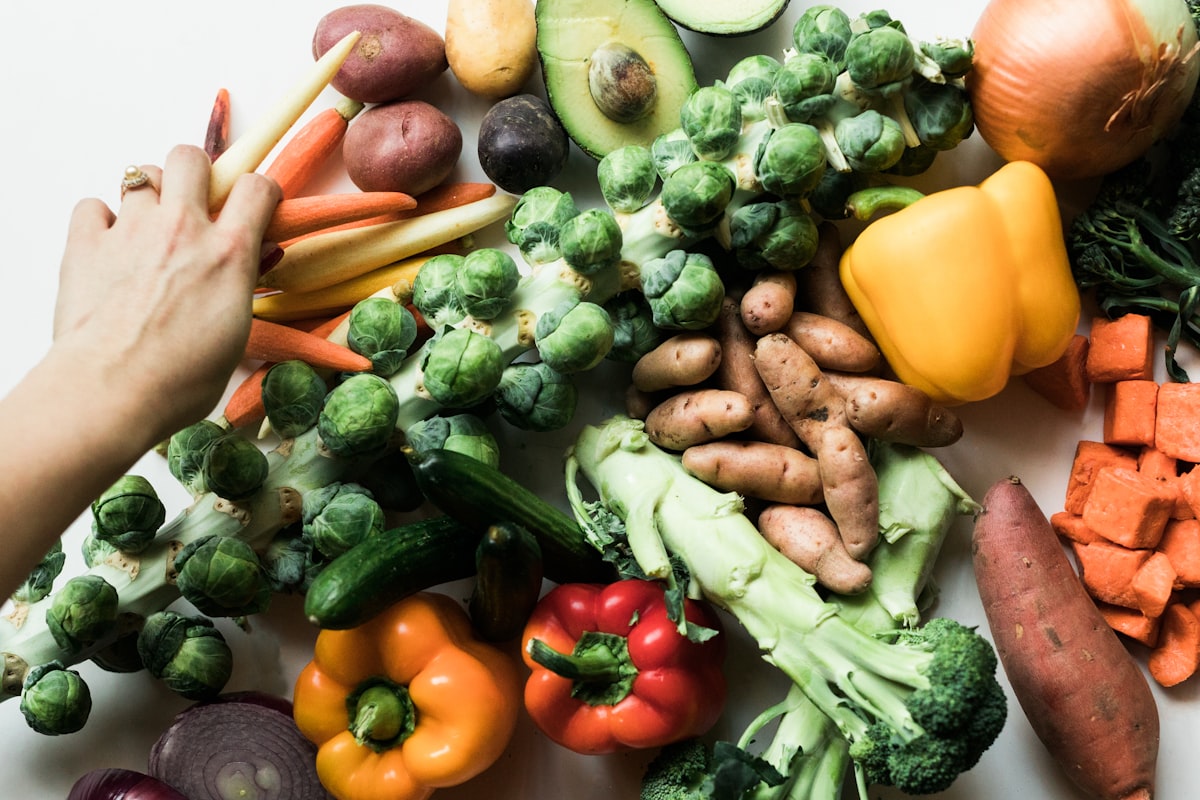
The Brain on Glucose: Why Energy Levels Determine Your Focus
Understand how blood sugar regulation directly impacts cognitive performance, memory retention, and decision-making ability throughout your workday.
Read article →

Hydration Myths: Drinking Water for Better Concentration
Discover how dehydration silently reduces your mental performance and learn the optimal hydration strategy for maximum cognitive sharpness.
Read article →

Caffeine Timing: When to Drink Coffee for Peak Performance
Timing matters more than amount. Learn when coffee actually boosts focus versus when it causes afternoon crashes and sleep disruption.
Read article →
What Our Readers Say
"I was struggling with the 2pm energy crash that killed my productivity every single day. After reading about meal timing and trying the breakfast recommendations from Foodmoodalchemy, I've had consistent afternoon focus for two months now. The science behind it all made sense, and the practical meal ideas were actually easy to implement in my busy schedule. This has genuinely transformed how I work."
James Mitchell
Manchester, United Kingdom
"As a software developer, my job demands intense mental focus for 8+ hours daily. I was relying on energy drinks and snacks that left me feeling worse. The Foodmoodalchemy articles explained exactly why my approach wasn't working and offered evidence-based alternatives. I've switched my lunch routine and now finish the day with mental clarity instead of exhaustion. Highly recommend for anyone in knowledge work."
Sarah Chen
London, United Kingdom
"I appreciate how honest the content is. The writers acknowledge that nutrition doesn't work identically for everyone, which is refreshing compared to other sites making blanket promises. The meal ideas are UK-appropriate—not filled with ingredients I can't find locally. I've been implementing the suggestions gradually and noticing real improvements in my ability to concentrate during meetings and presentations."
David Thompson
Bristol, United Kingdom
"Starting my freelance writing career, I noticed my creativity tank by mid-afternoon. I implemented the hydration and omega-3 recommendations from your articles. The difference in my output quality and the amount I can produce has increased noticeably. The explanations of why certain foods matter for cognitive function actually motivated me to make these changes stick. Great resource."
Emma Williams
Leeds, United Kingdom
Common Questions About Nutrition and Productivity
How quickly will I notice productivity improvements?
Most people report noticeable changes within 5-10 days of consistent implementation. However, the most significant improvements typically emerge over 4-6 weeks as your body adapts to stable eating patterns and your brain chemistry stabilizes with improved nutrient intake.
Do I need to follow strict meal plans?
No. The principles matter more than perfect adherence. Understanding why certain meal combinations work helps you adapt recommendations to your lifestyle, budget, and food preferences. Flexible implementation creates sustainable habits.
What if I have specific dietary restrictions?
The principles apply across different diets. Our articles discuss vegetarian, vegan, and other dietary approaches. The goal is always stable glucose, adequate protein, and nutrient density—achievable within many different eating frameworks.
Is this information backed by research?
Yes. All Foodmoodalchemy content references peer-reviewed studies and established nutritional science. We cite sources transparently so you can investigate further if interested. No claims are made without evidence.
Ready to Optimize Your Productivity Through Better Eating?
Start exploring our comprehensive guide to meals that fuel mental performance. Discover practical strategies backed by research that you can implement immediately in your daily routine.
Stay Updated With New Content
Receive notifications when we publish new research articles, meal ideas, and insights about nutrition and cognitive performance.
We respect your privacy. Unsubscribe anytime. For questions about our content, contact us at [email protected]